Rubber Powder Machine vs Traditional Recycling Equipment


In recent years, environmental concerns have become a central concern across industries worldwide. One area of growing attention is the disposal and recycling of rubber waste. Plastic, present in products such as wheels, conveyor belts, and professional rugs, is notoriously difficult to decompose. Standard disposal methods, such as for example landfilling and using, donate to pollution and present dangers to human health. To deal with that challenge, rubber powder machine have surfaced as a fruitful option for sustainable waste management.
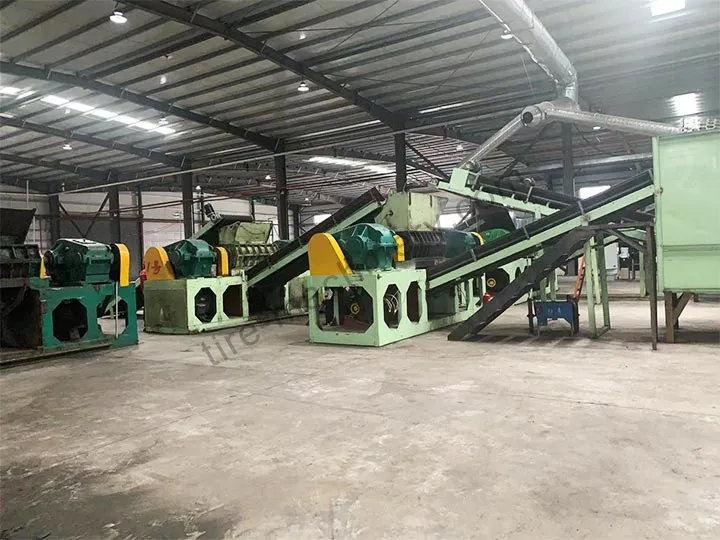
Rubber dust devices are created to grind scrap plastic into great powders of different dimensions, which makes it easier to recycle or repurpose the material. These products work through advanced technical crushing, shearing, and friction processes. The effect is a regular, high-quality rubber powder that can be applied in various professional and industrial applications. The capacity to recycle plastic waste not just reduces environmental impact but in addition creates economic value by changing discarded resources into workable resources.
One of the major features of rubber powder machines is their share to reducing landfill waste. Wheels, for example, inhabit significant space in landfills and take decades to decompose. By transforming these tires into great rubber powder, companies may considerably decrease the volume of waste delivered to landfills. Furthermore, this technique decreases the requirement for using rubber waste, which often releases toxic gases harmful to the environment and individual health.
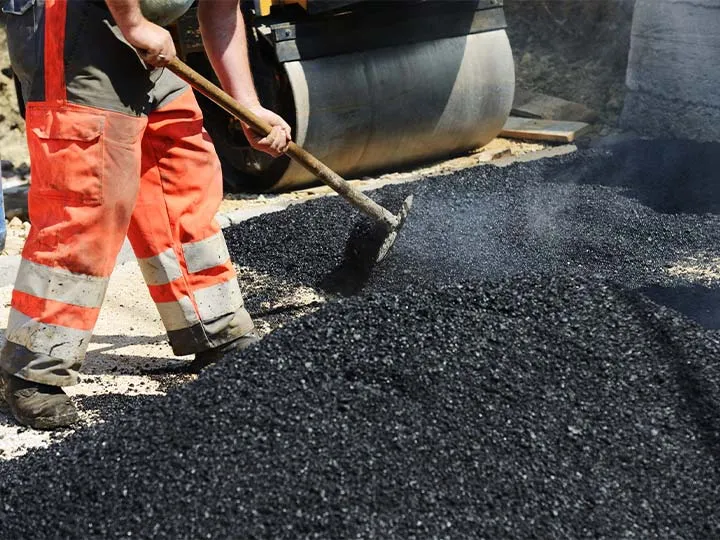
More over, the recycled rubber dust produced by these devices has adaptable applications. It may be used in asphalt generation to generate resilient streets, in playground materials for safety and resilience, and in cast services and products such as for instance mats, shoe bottoms, and automotive components. Industries take advantage of the cost-effectiveness of using recycled rubber rather than fresh materials, while also aiming with sustainability goals.
Rubber dust machines are also growing to be much more energy-efficient and user-friendly. Contemporary models incorporate computerized serving programs, flexible chemical size adjustments, and noise reduction technologies, ensuring clean function and minimal environmental disturbance. Companies buying these devices may apply a round economy approach, where spend products are constantly reused, lowering dependence on normal resources.
In conclusion, rubber powder models play an important position in sustainable spend administration by changing rubber spend into important, reusable materials. They help decrease landfill use, decrease environmental pollution, and give industries with cost-effective natural products for different applications. As environmental regulations tighten and industries prioritize sustainability, the adoption of rubber dust products is likely to grow, giving a practical and eco-friendly solution for handling rubber waste effectively.